

The Galapagos Islands are one of the most extraordinary destinations on Earth. Located about 1,000 km (620 miles) off the coast of Ecuador, this volcanic archipelago is famous for its incredible biodiversity and unique wildlife found nowhere else on the planet.
The islands inspired Charles Darwin’s theory of evolution, and today they remain one of the most important natural laboratories in the world.
With more than 13 major islands and dozens of smaller islets, travelers often wonder which islands they should visit.
Each island offers a completely different experience — from giant tortoises roaming in volcanic highlands to snorkeling with sea lions and observing rare seabirds nesting along dramatic ocean cliffs.
In this guide, we explore the best islands to visit in the Galapagos Islands and the incredible animals you can see on each one.
San Cristobal Island is one of the oldest islands in the Galapagos archipelago and one of the best places to begin exploring the islands.
It is home to Puerto Baquerizo Moreno, the capital of the Galapagos Province, and offers an incredible mix of wildlife, beaches, and marine life.
Because of its nutrient-rich waters, San Cristobal is one of the best islands for marine wildlife encounters.
Visitors to San Cristobal can encounter a wide variety of wildlife both on land and in the ocean.
Galapagos Sea Lions
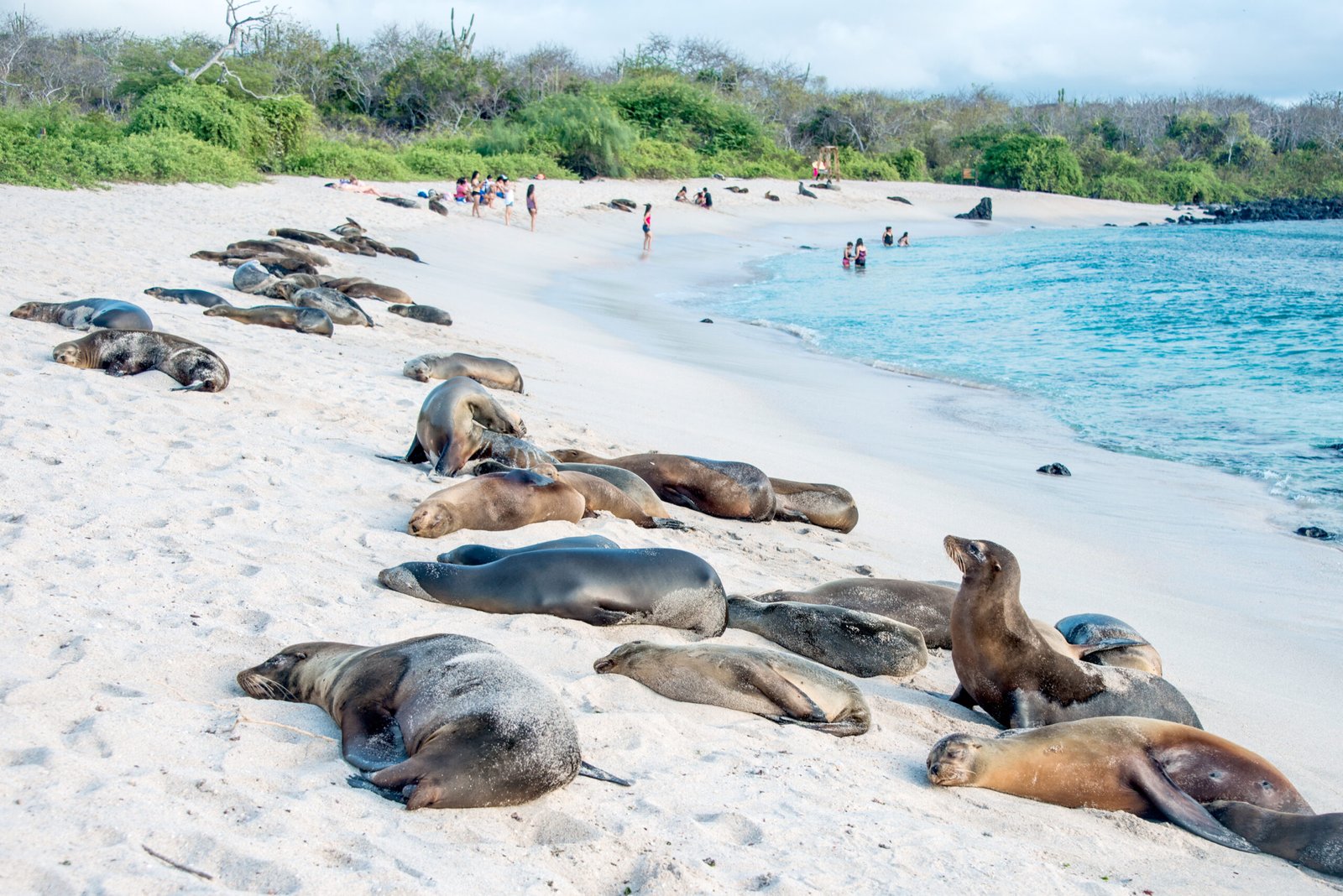
San Cristobal has one of the largest sea lion populations in the archipelago. These playful animals can be seen resting on beaches, swimming near docks, and even interacting with snorkelers.
Blue-footed Boobies
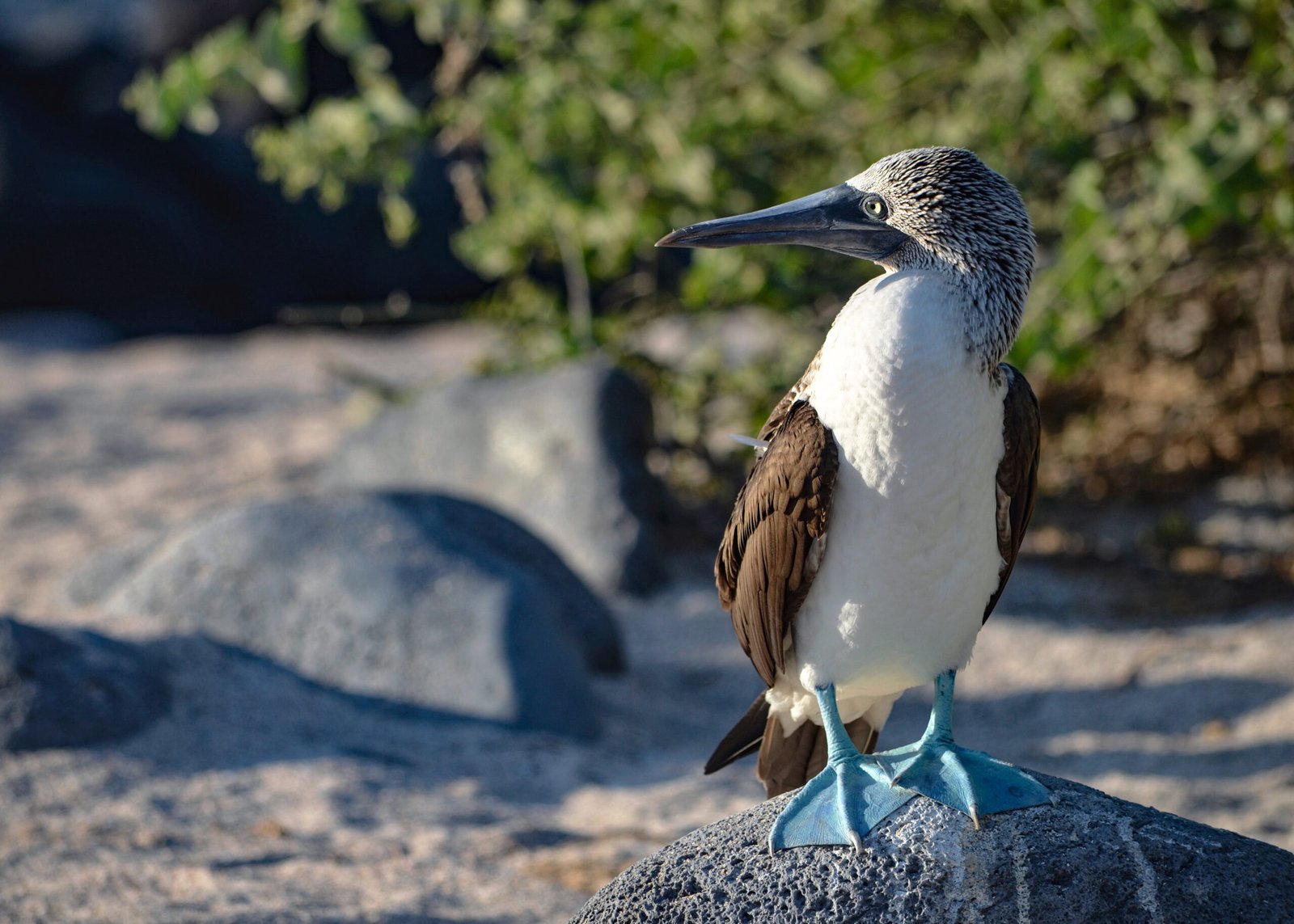
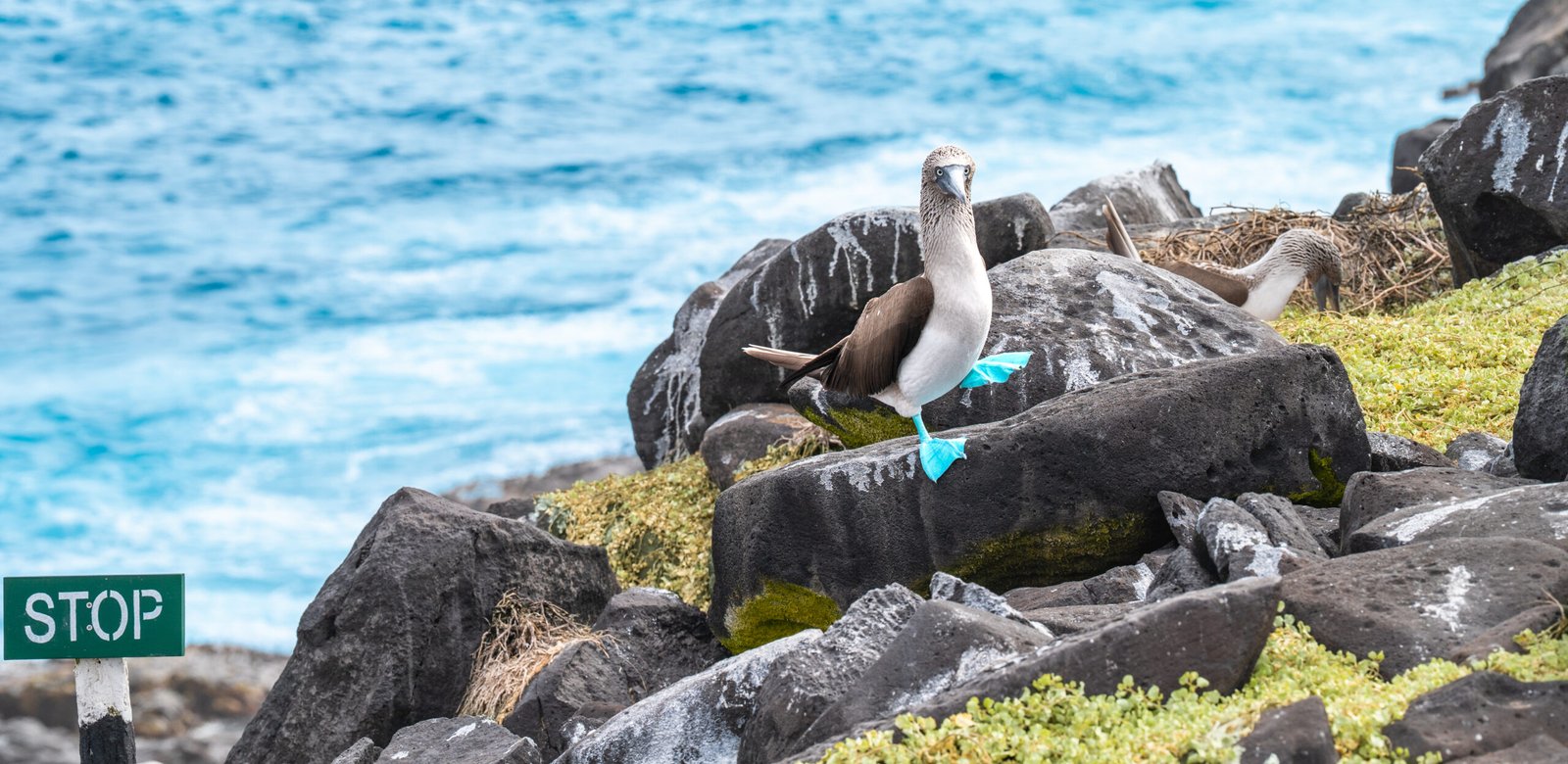
These iconic birds are famous for their bright blue feet and unique mating dance. They can often be seen nesting on cliffs and rocky shorelines.
Nazca Boobies
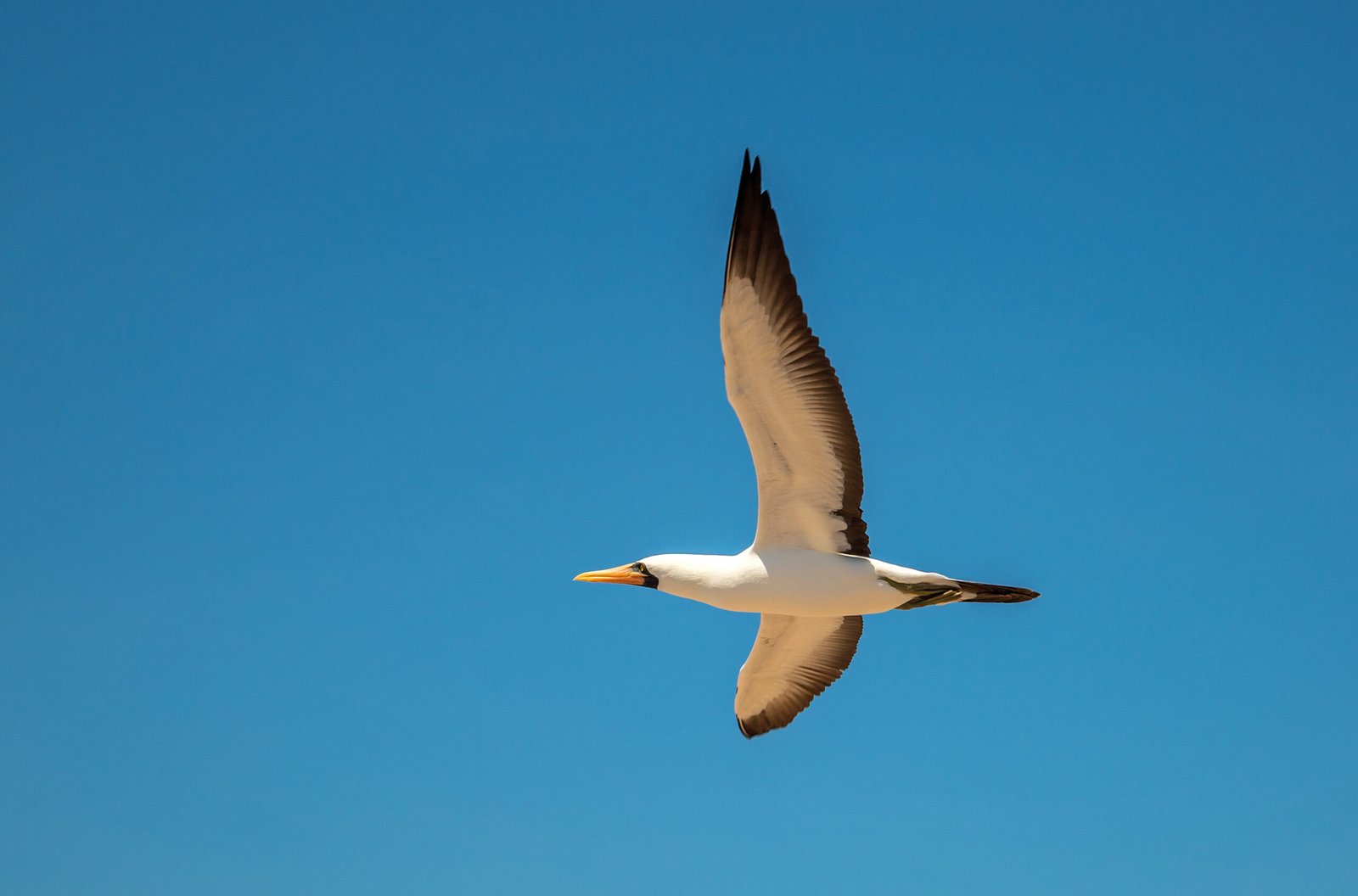
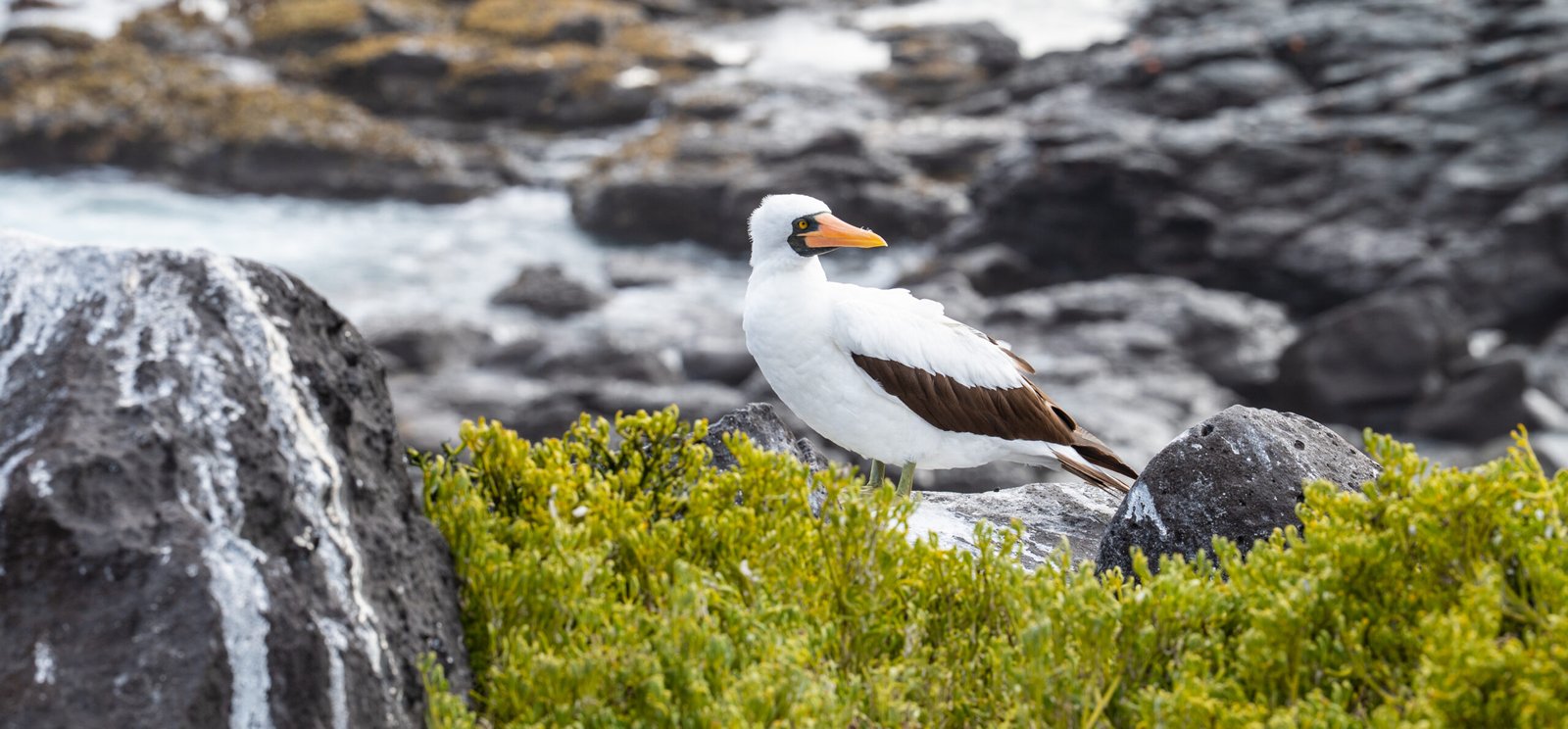
Nazca boobies are large seabirds that nest along coastal cliffs. They are easily recognized by their white bodies and black wings.
Frigatebirds
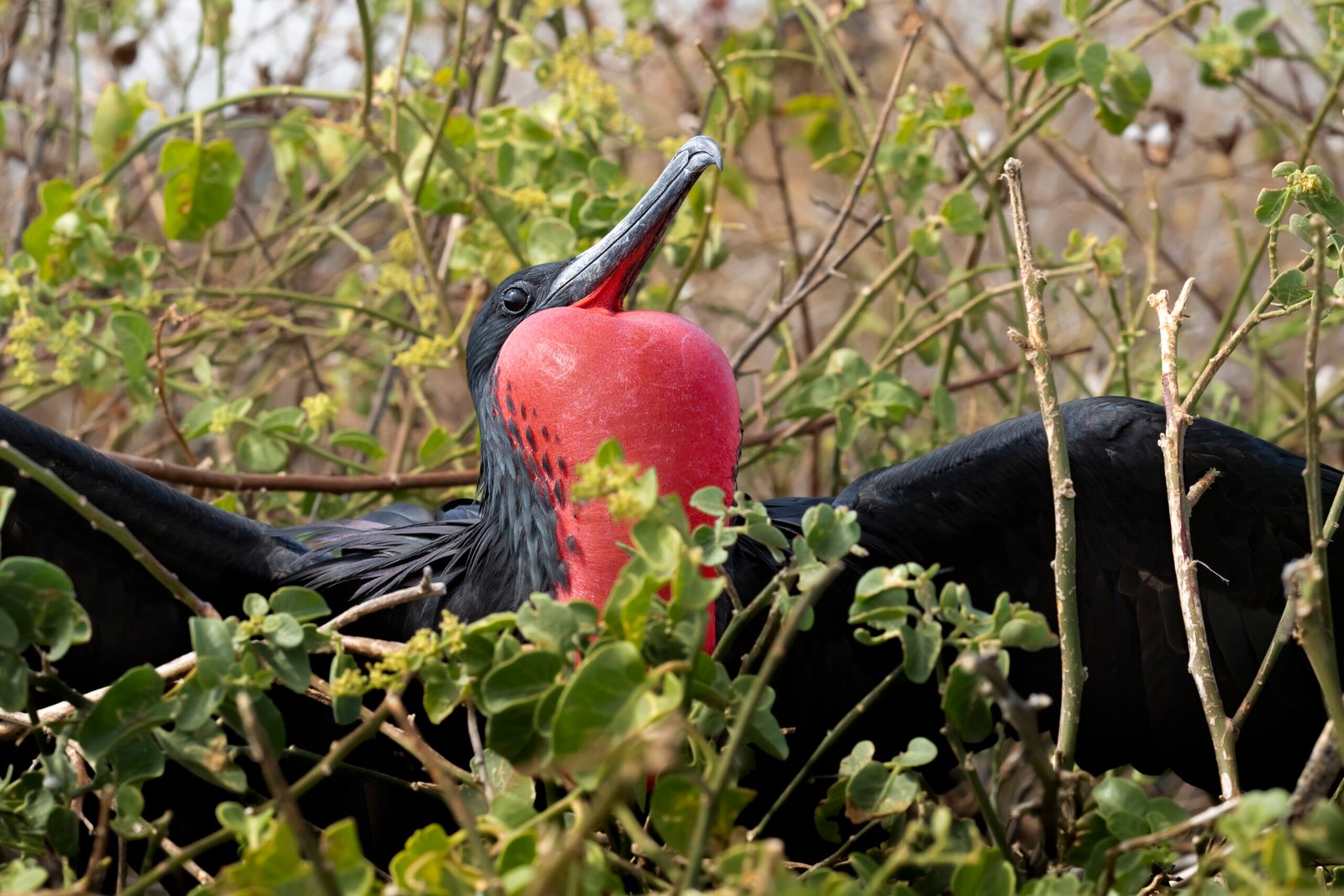
Both magnificent frigatebirds and great frigatebirds live in the Galapagos. Males inflate a bright red throat pouch during the mating season to attract females.
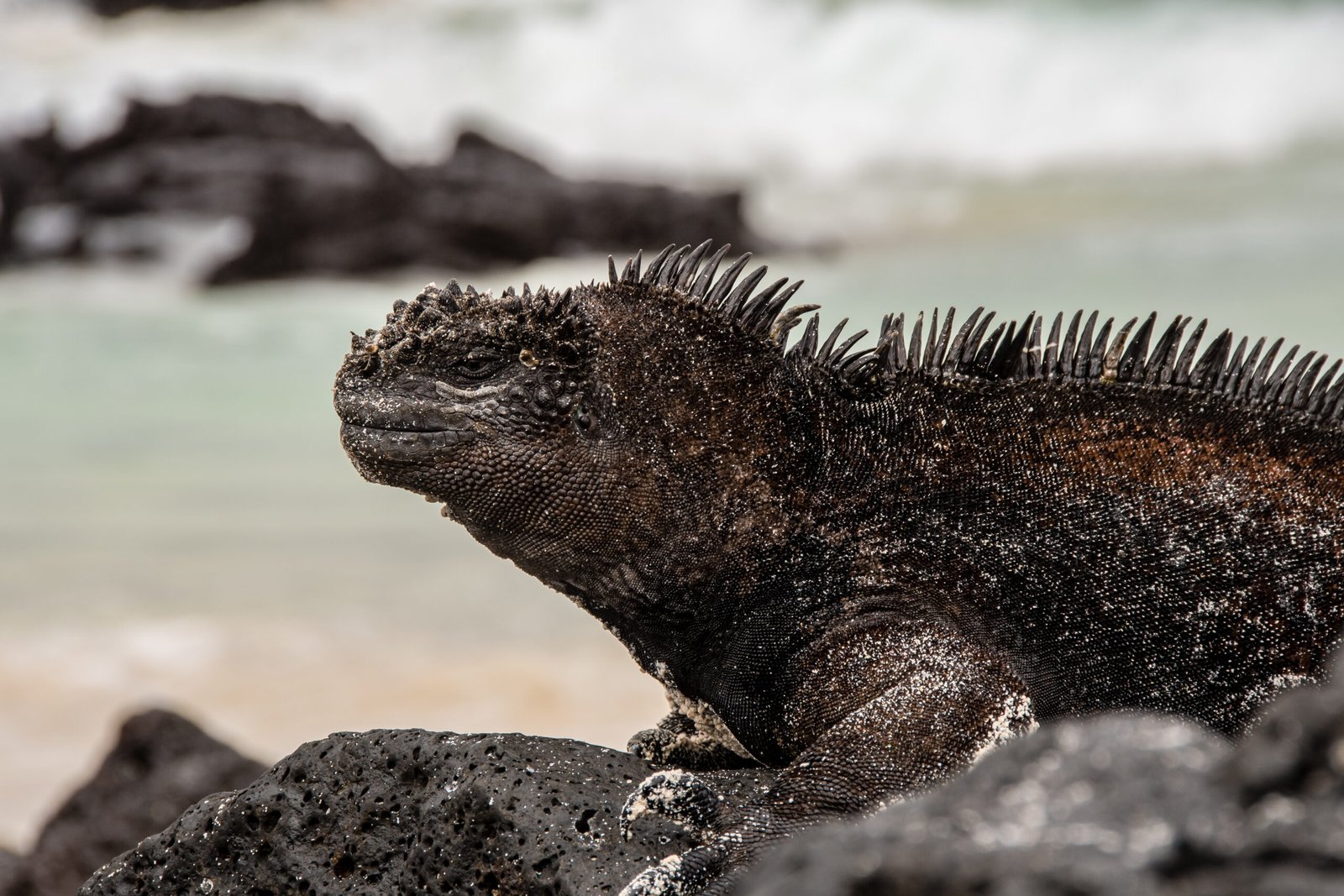
Marine Iguanas
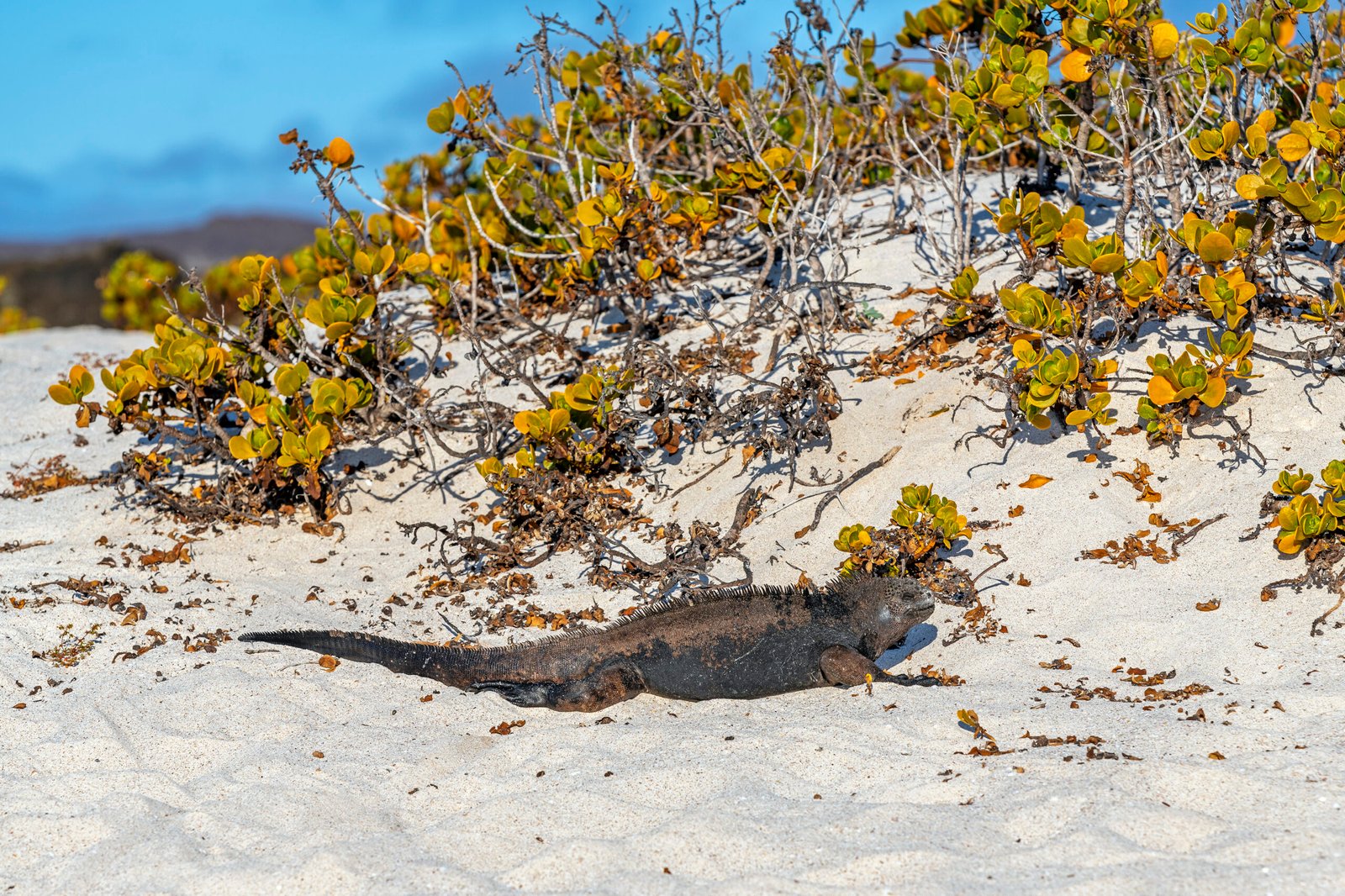
These unique reptiles are the only marine iguanas in the world. They swim in the ocean and feed on algae growing on underwater rocks.
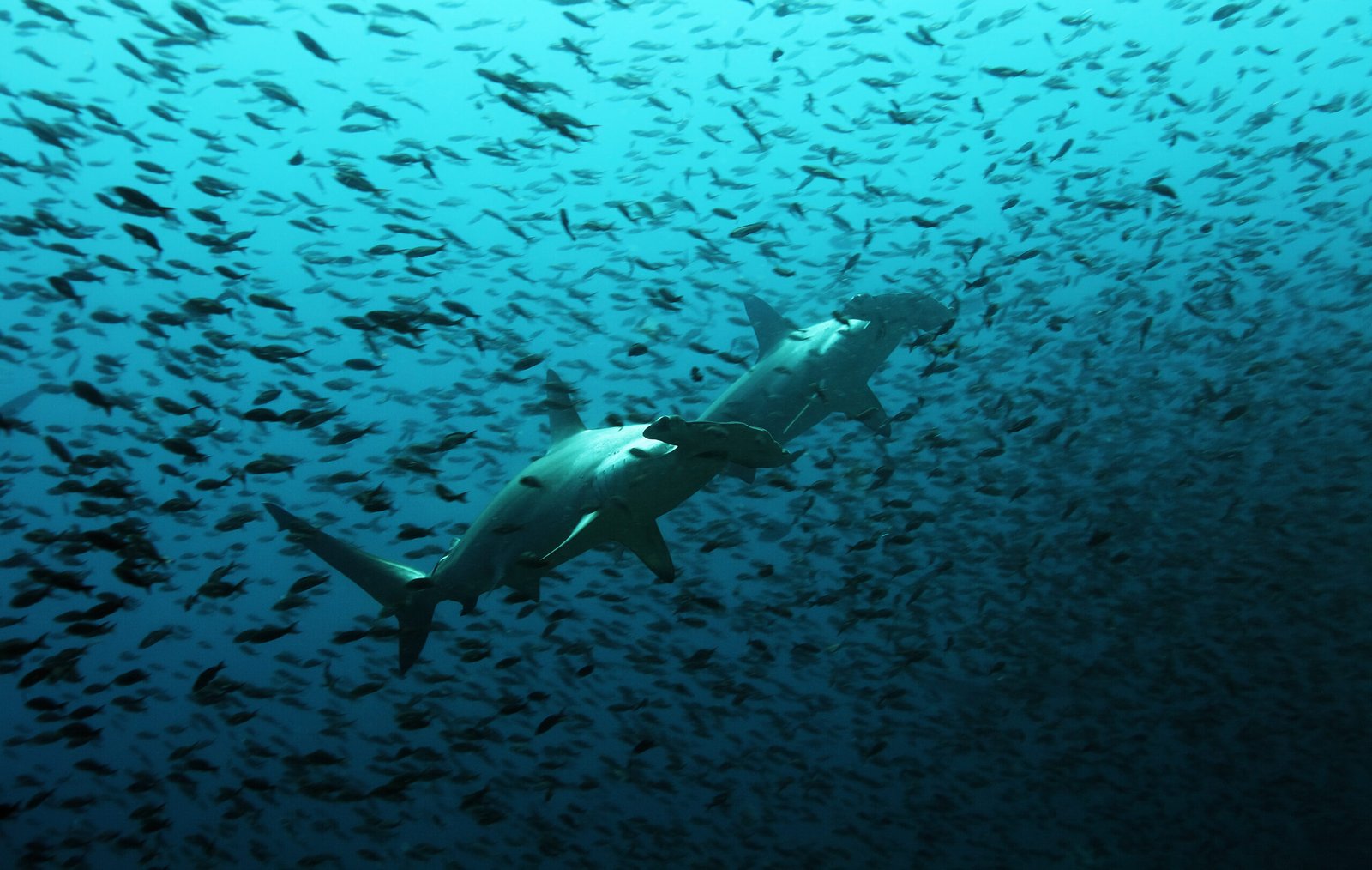
Hammerhead Sharks
At Kicker Rock (León Dormido), snorkelers and divers often see schools of scalloped hammerhead sharks, especially in deeper waters.
Other marine animals commonly seen include:
Sea turtles
Eagle rays
Reef sharks
Tropical fish
Isabela Island is the largest island in the Galapagos and one of the most geologically active.
Formed by the merging of six shield volcanoes, it offers dramatic volcanic landscapes and extraordinary biodiversity.
Despite its size, Isabela remains relatively quiet compared to Santa Cruz.
Isabela hosts some of the largest wildlife populations in the Galapagos.
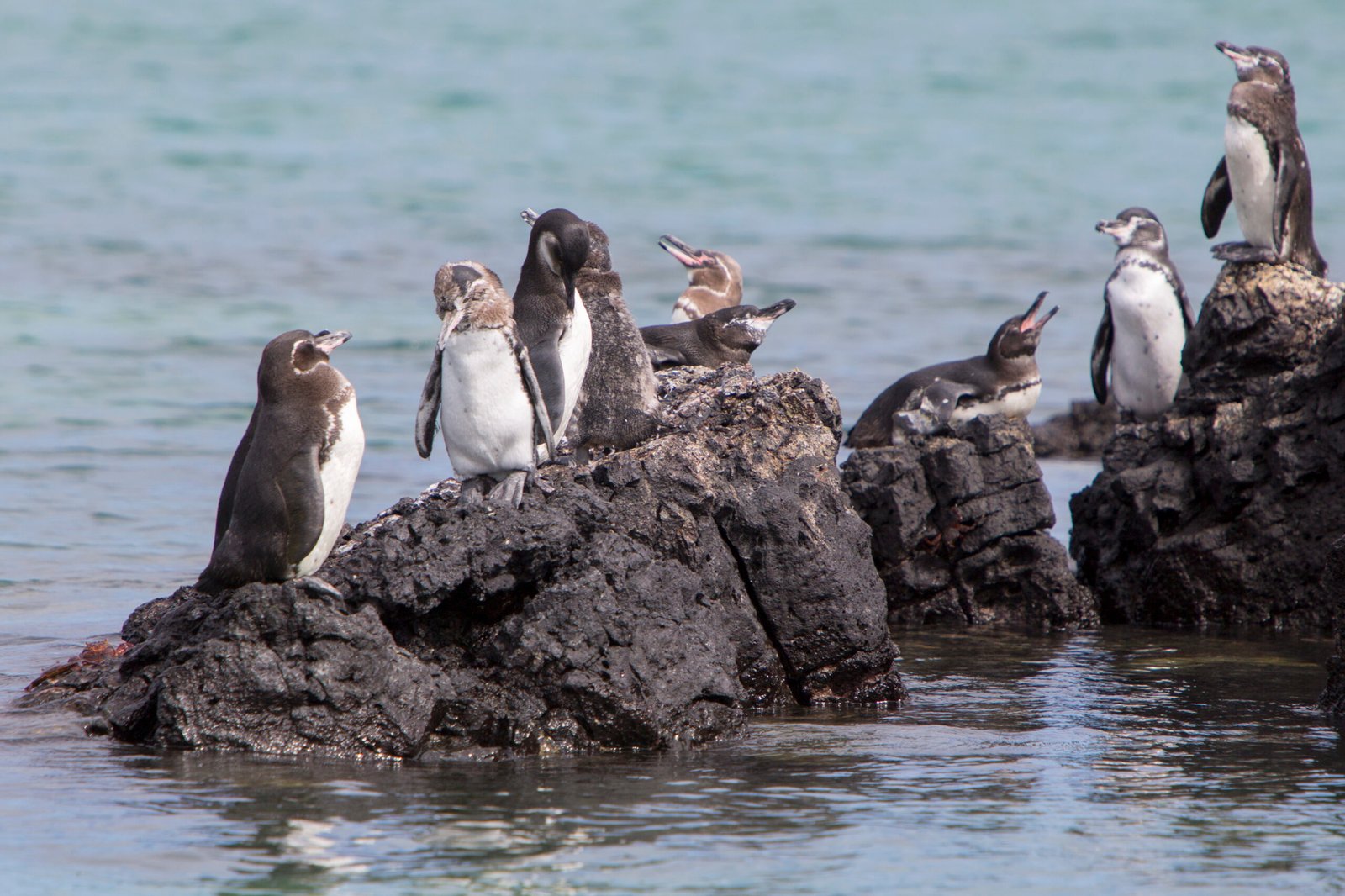
Galapagos Penguins
One of the rarest penguin species in the world and the only penguin found north of the equator.
They are commonly seen swimming near rocky shores.
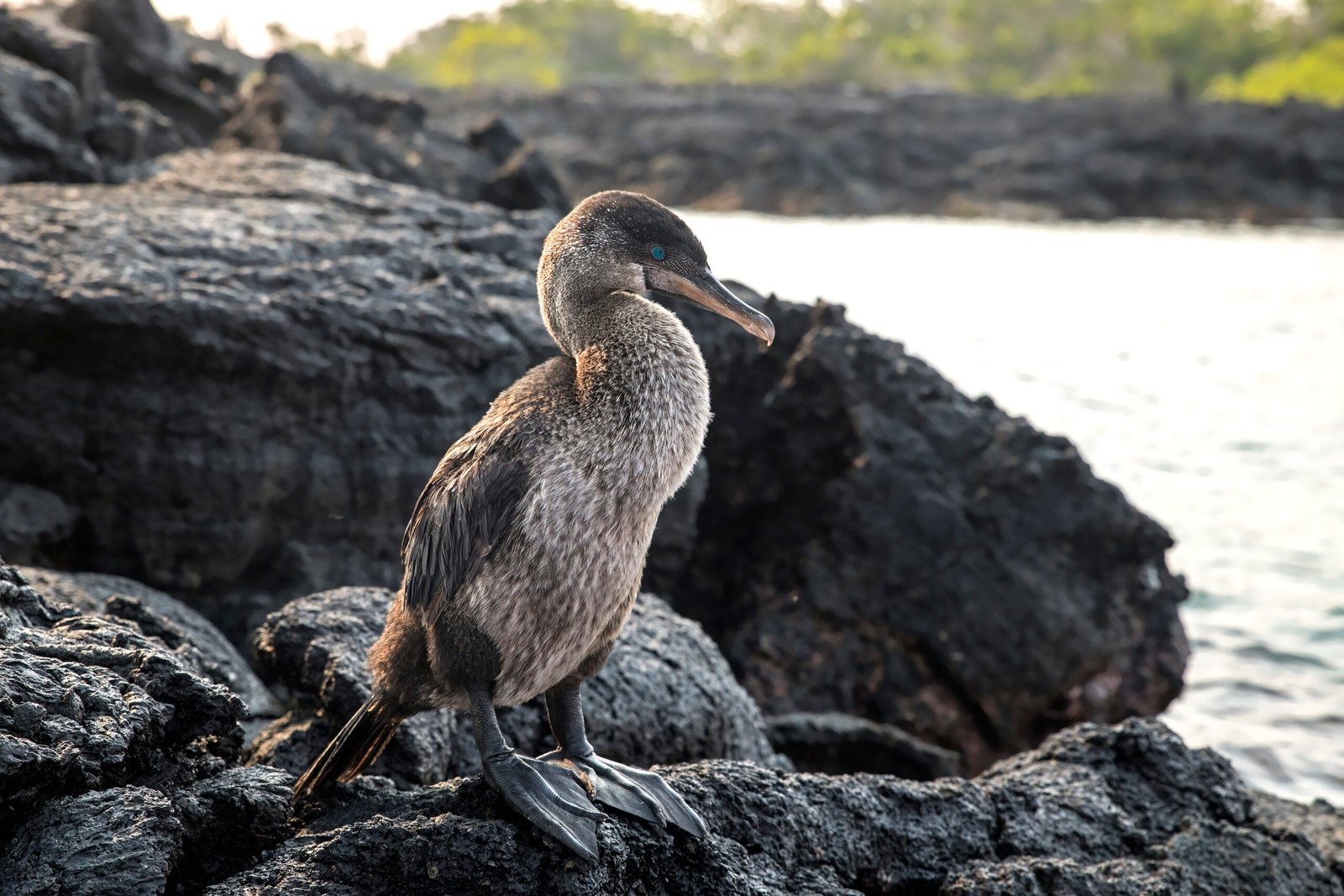
Flightless Cormorants
These birds lost their ability to fly over thousands of years of evolution. Instead, they are excellent swimmers that dive underwater to catch fish.
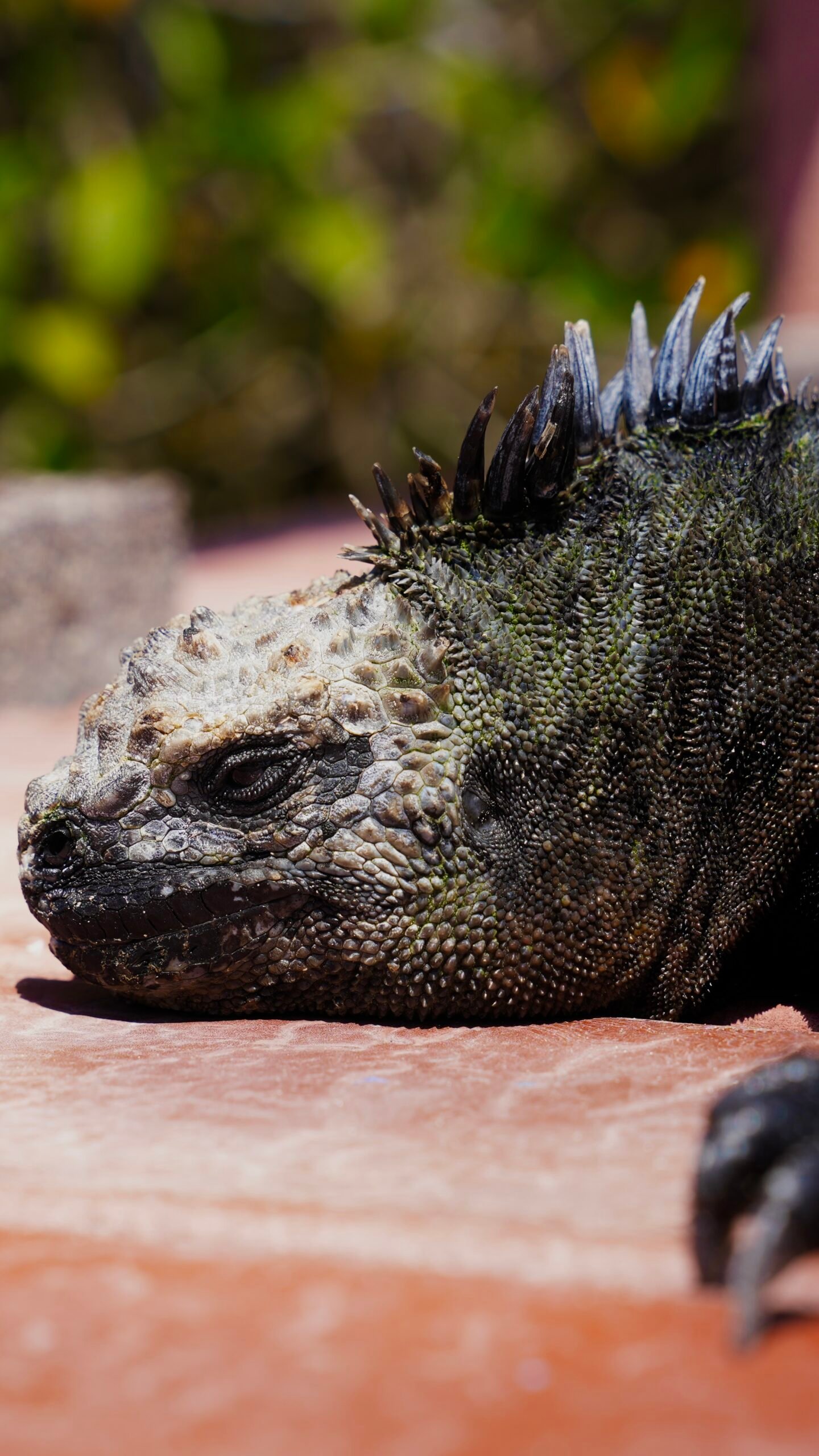
Marine Iguanas
Isabela hosts some of the largest marine iguanas in the Galapagos.
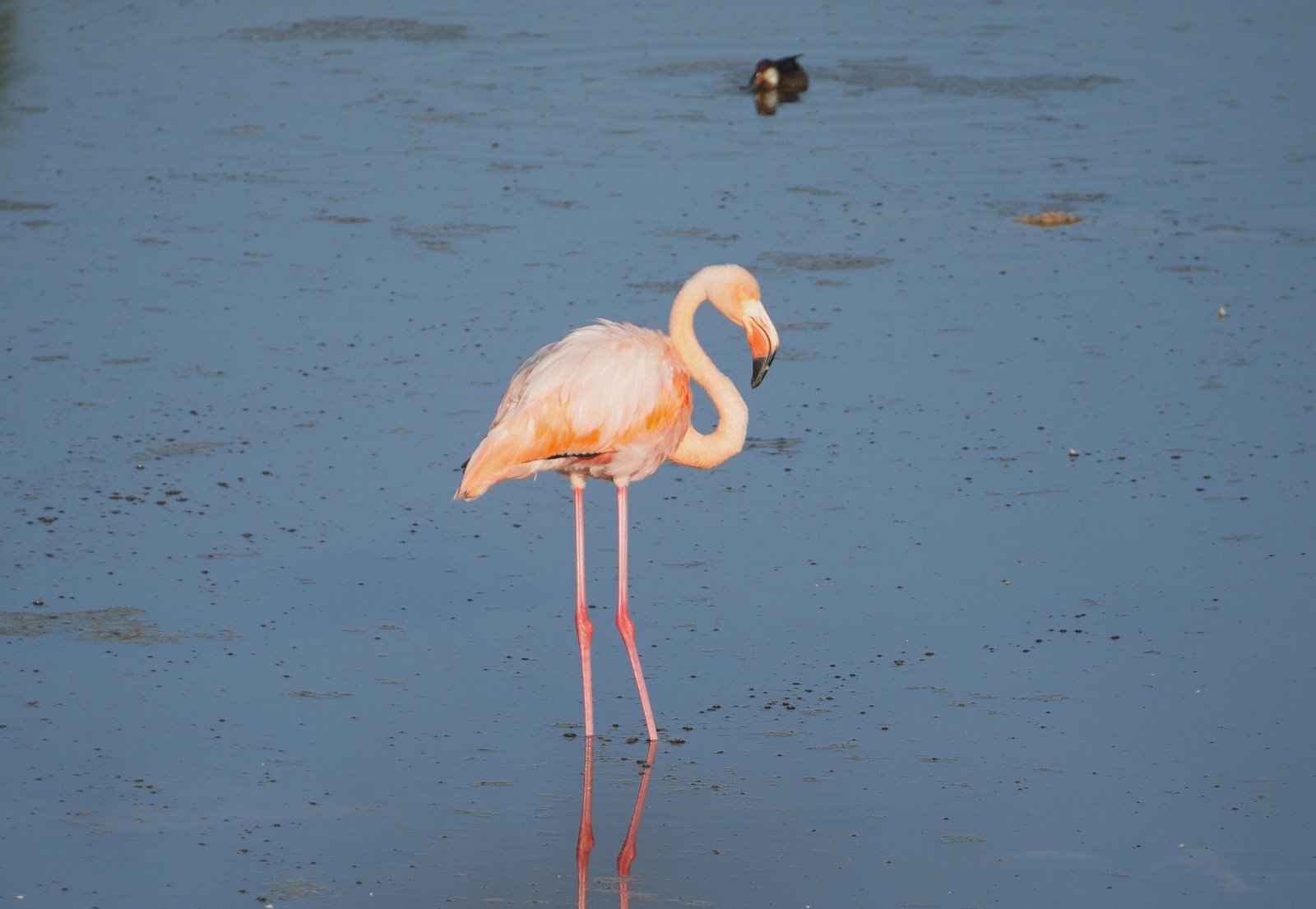
Galapagos Flamingos
In lagoons near Puerto Villamil, visitors can see pink flamingos feeding in shallow waters.
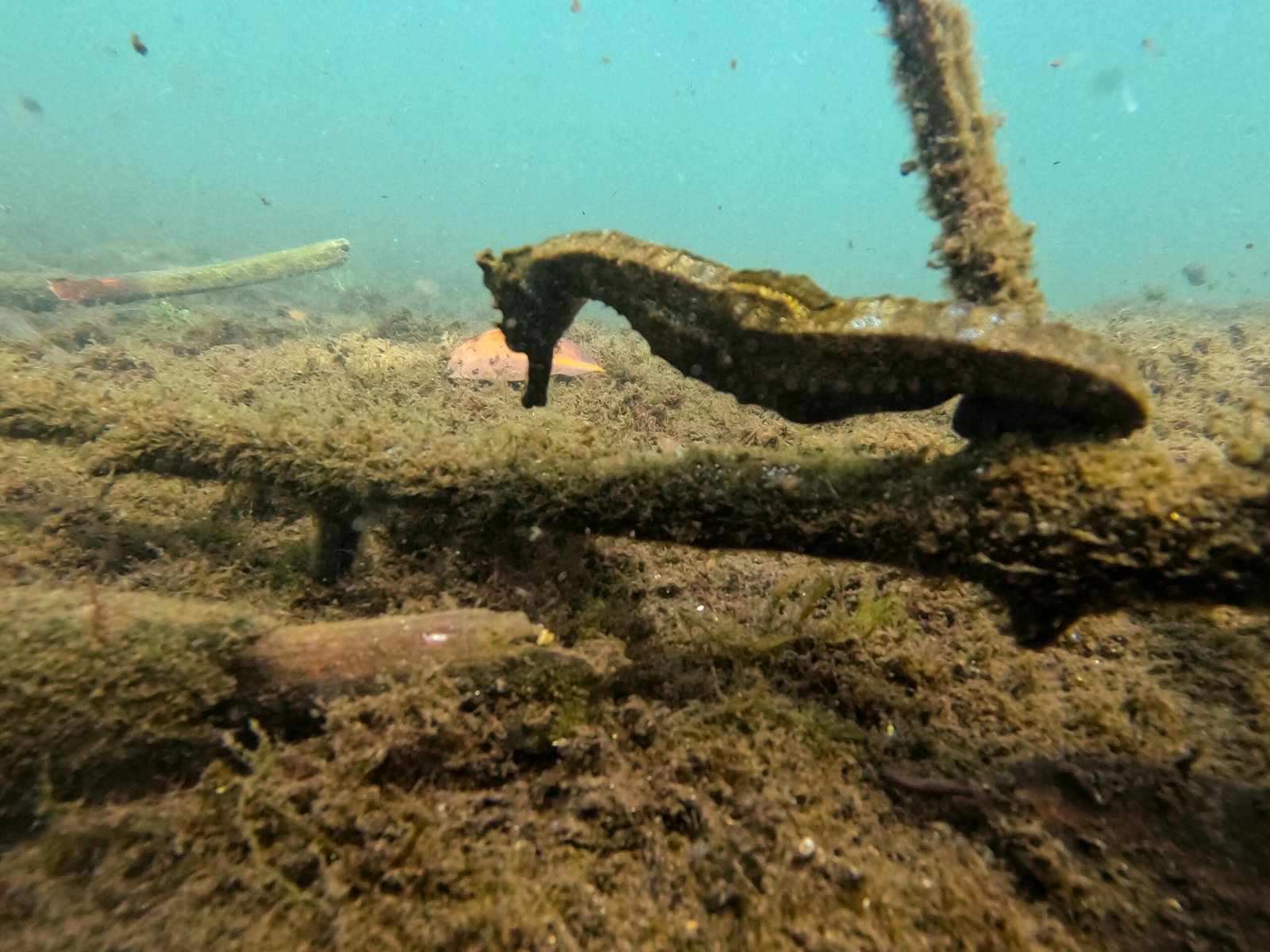
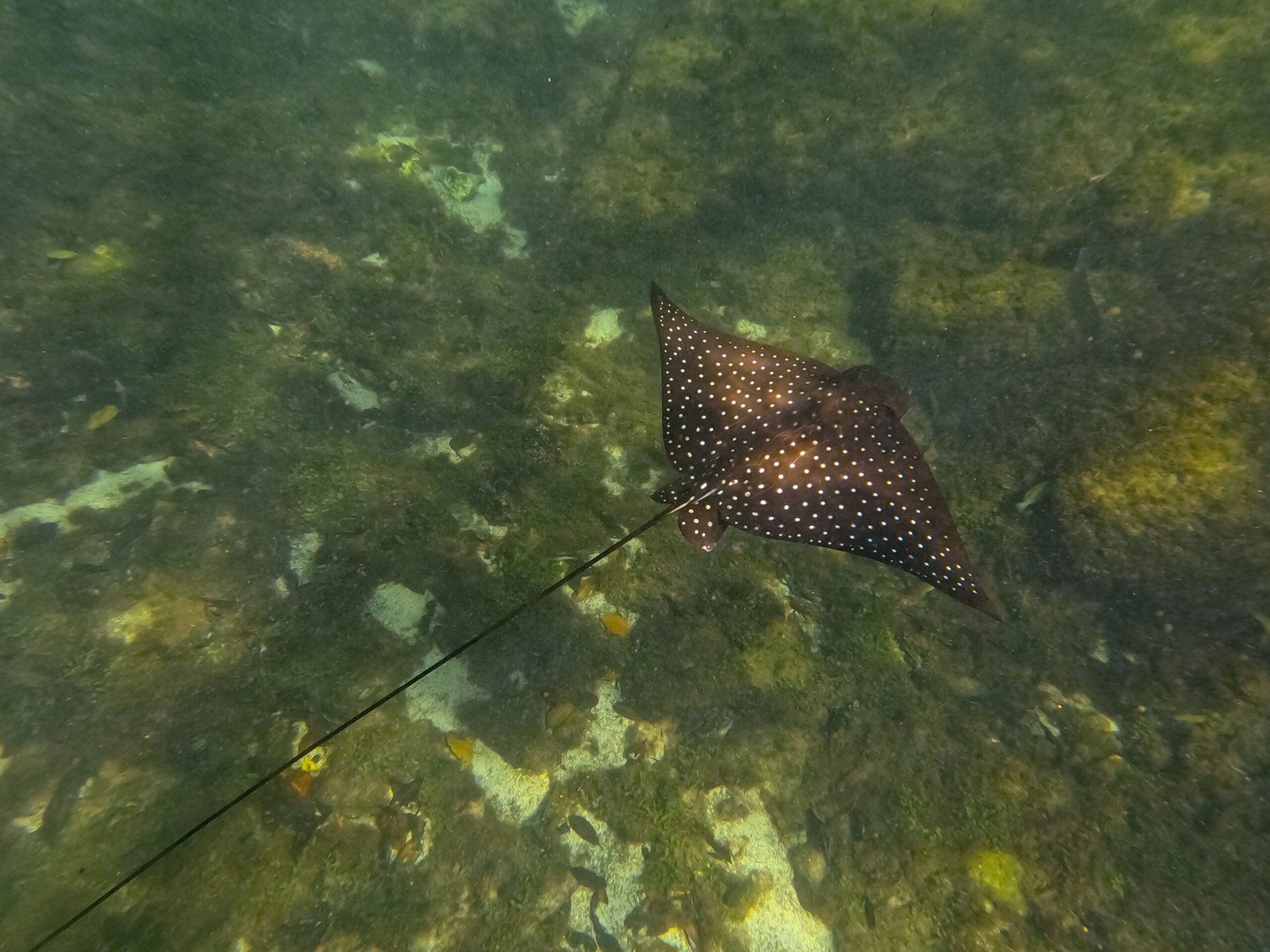
Sea Horses and Rays
Snorkeling areas like Los Túneles are famous for marine biodiversity including:
Seahorses
White-tip sharks
Sea turtles
Rays
Colorful reef fish
Santa Cruz Island is the tourism center of the Galapagos Islands and home to Puerto Ayora, the largest town in the archipelago.
This island offers an incredible combination of wildlife experiences, research centers, and natural landscapes.
Santa Cruz is particularly famous for its wildlife found in the lush highlands and coastal areas.
Galapagos Giant Tortoises
One of the most iconic animals in the Galapagos. In the highlands of Santa Cruz, giant tortoises roam freely in grassy fields and volcanic landscapes.
These tortoises can live more than 100 years.
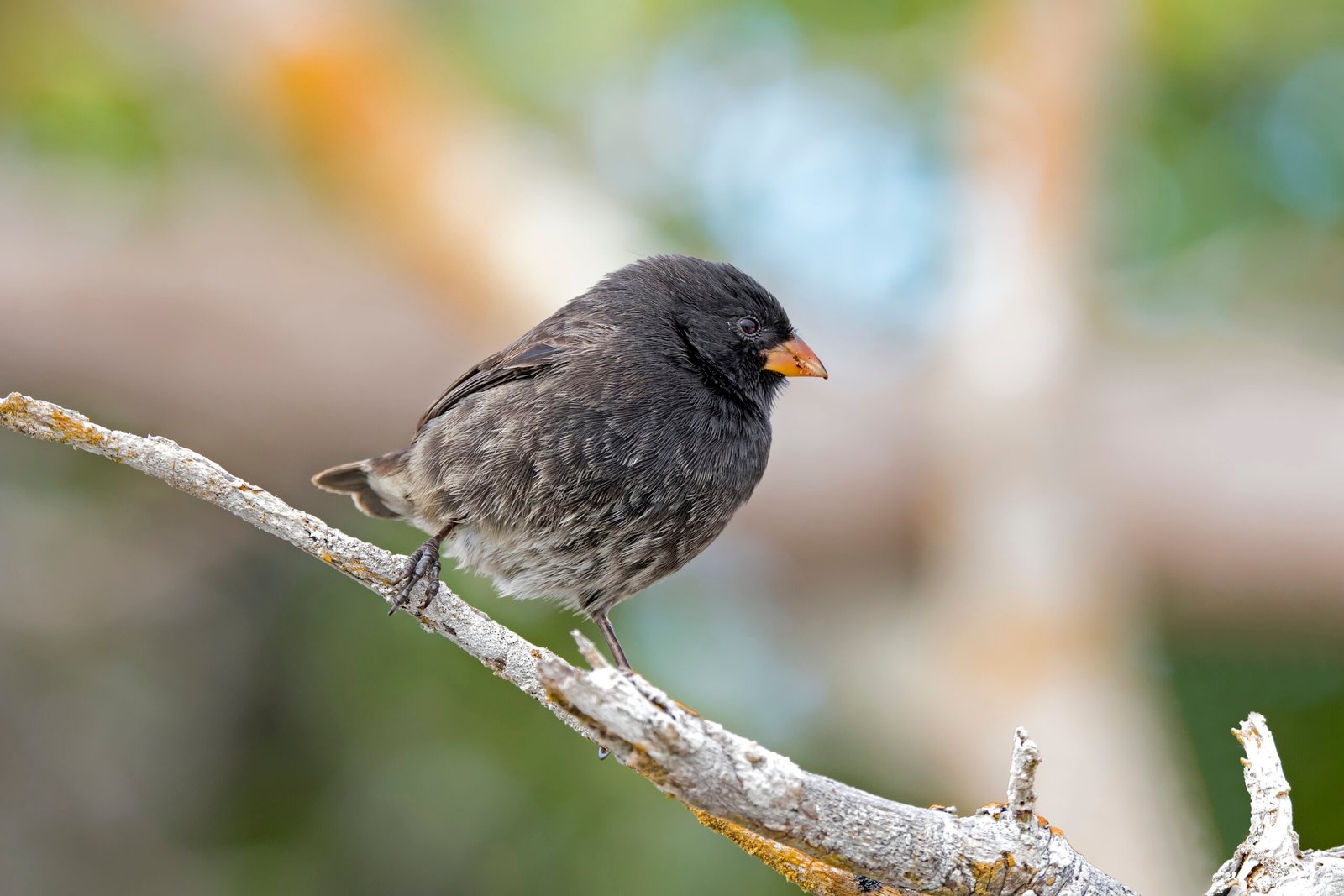
Darwin’s Finches
These small birds played a key role in Charles Darwin’s research on evolution. Several species live on Santa Cruz, each adapted to different food sources.
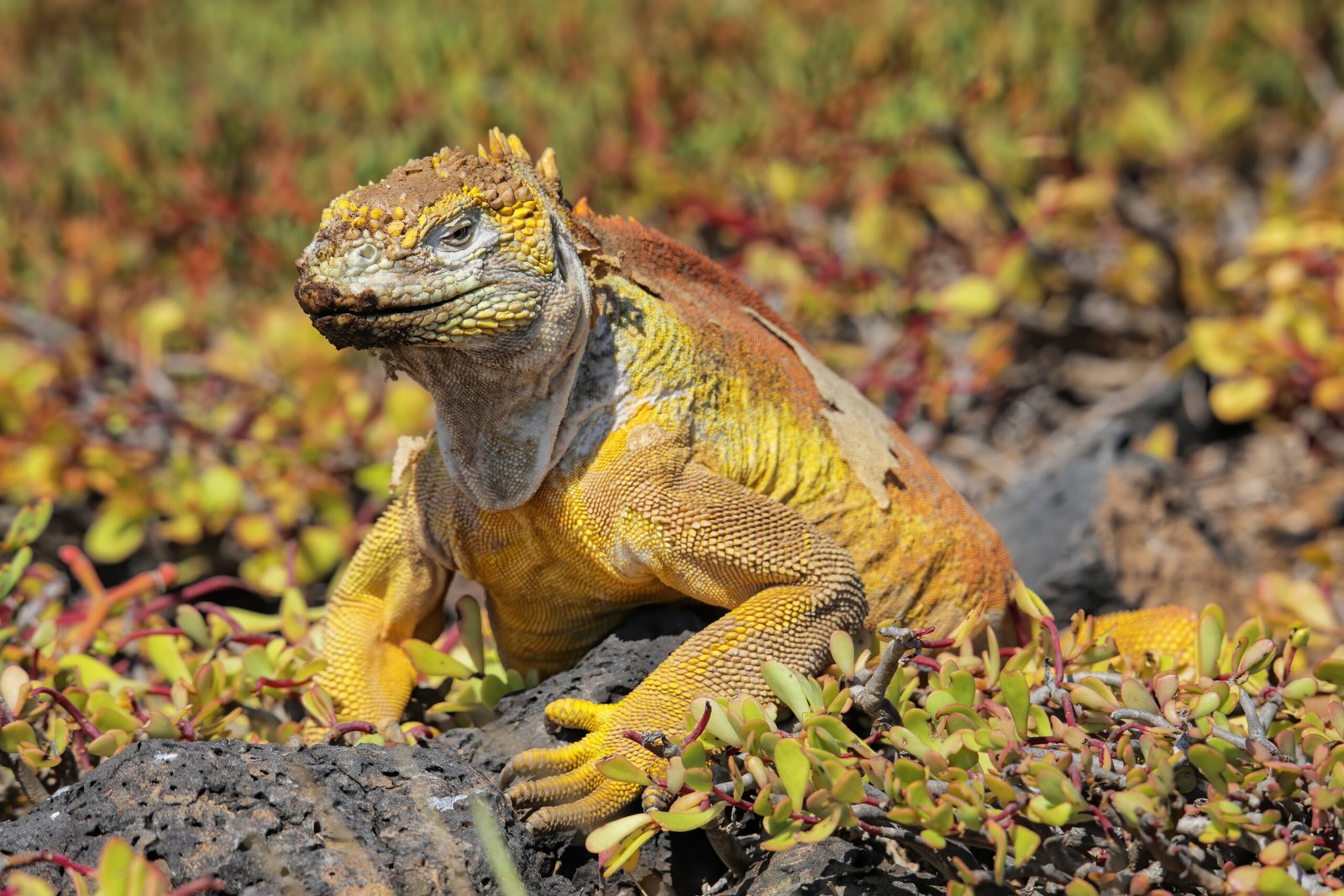
Galapagos Land Iguanas
These bright yellow reptiles live in dry areas of the island and feed mainly on cactus pads and fruits.
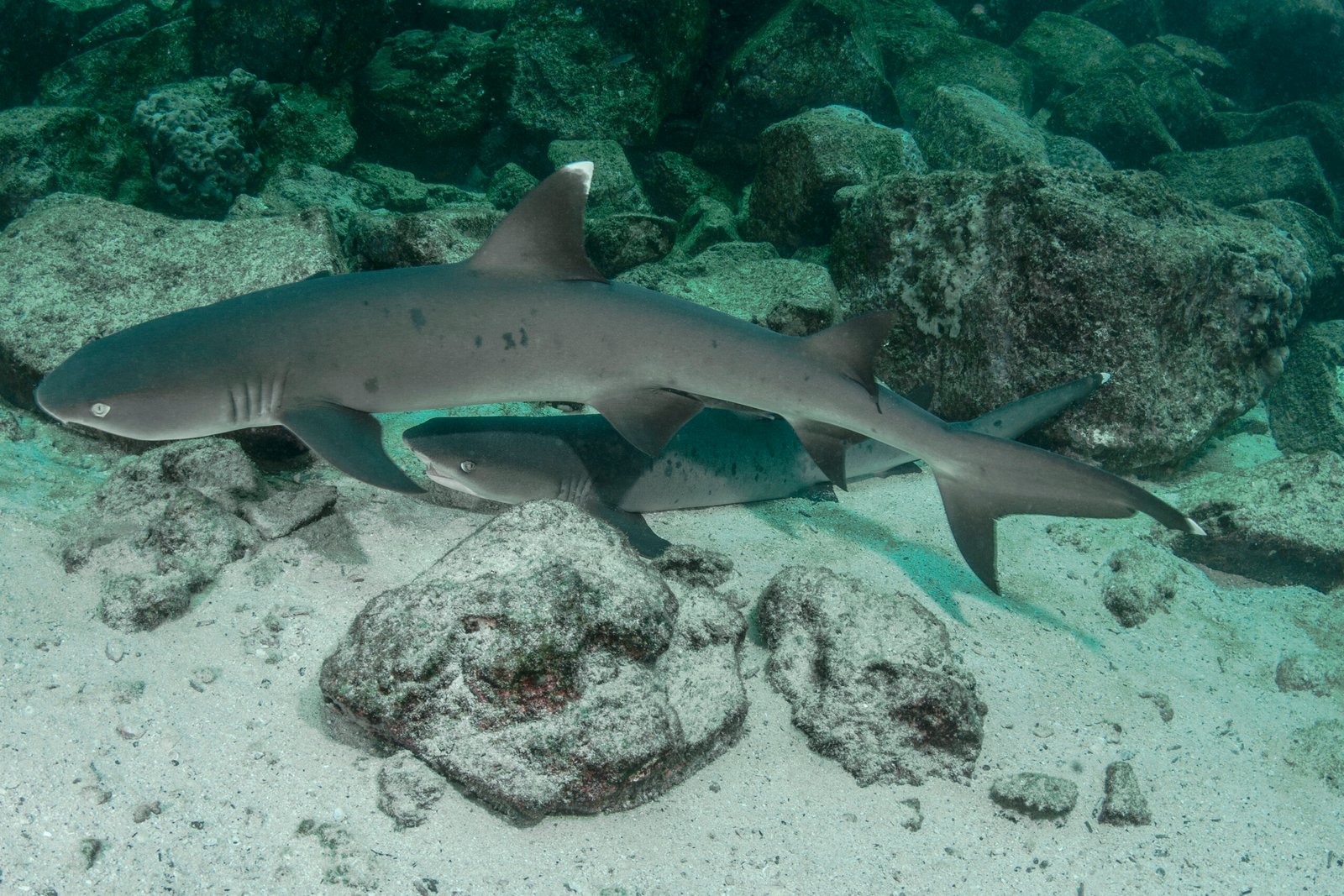
White-tipped Reef Sharks
Often seen resting in shallow waters or swimming near reefs.
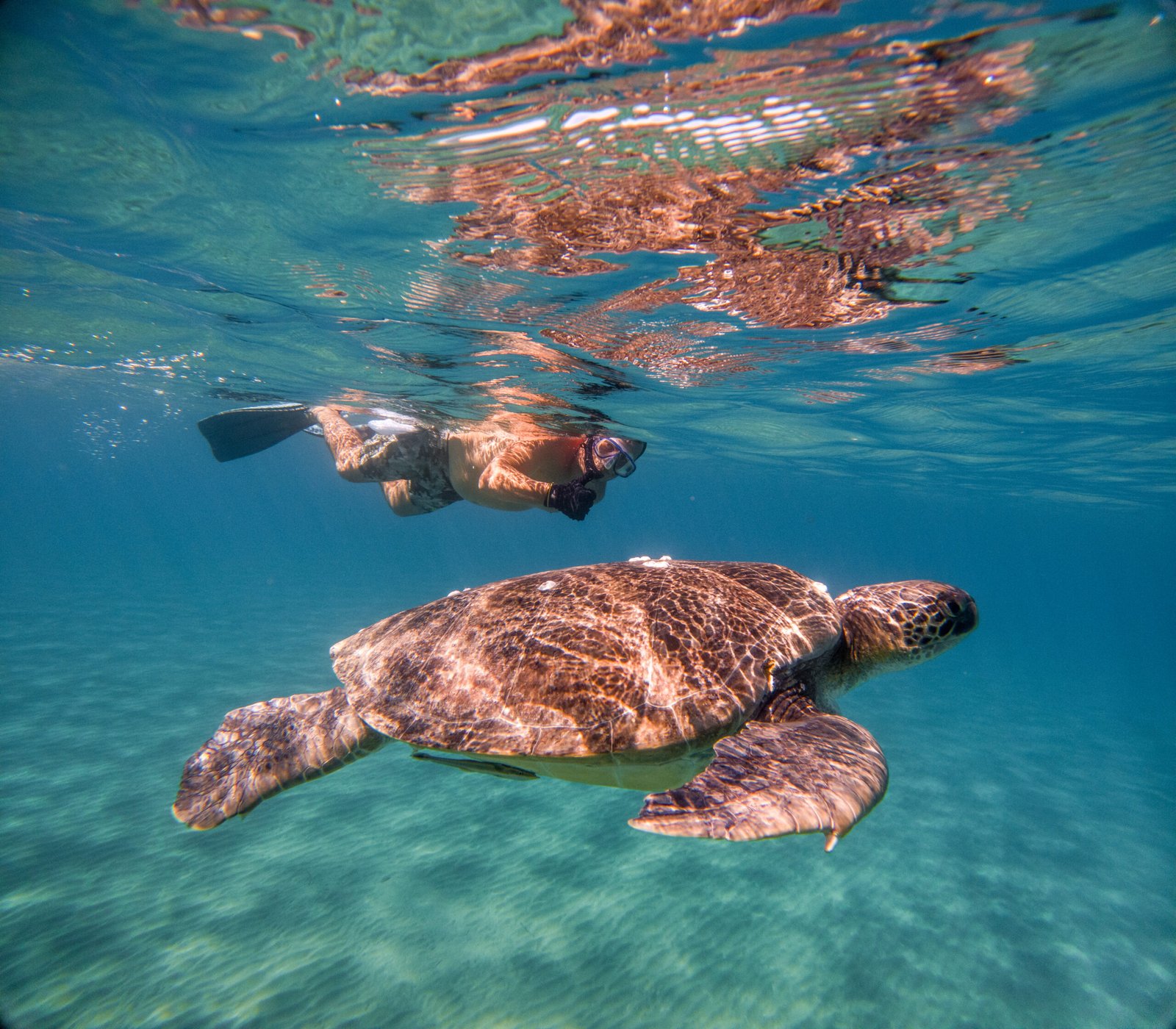
Sea Turtles
Green sea turtles are commonly spotted while snorkeling or swimming near beaches.
Other wildlife includes:
Pelicans
Lava lizards
Sally Lightfoot crabs
Marine iguanas
Española Island is one of the most wildlife-rich islands in the entire Galapagos archipelago.
Located in the southern part of the islands, Española is famous for its massive seabird colonies and dramatic cliffs overlooking the Pacific Ocean.
Española is particularly famous for its seabirds.
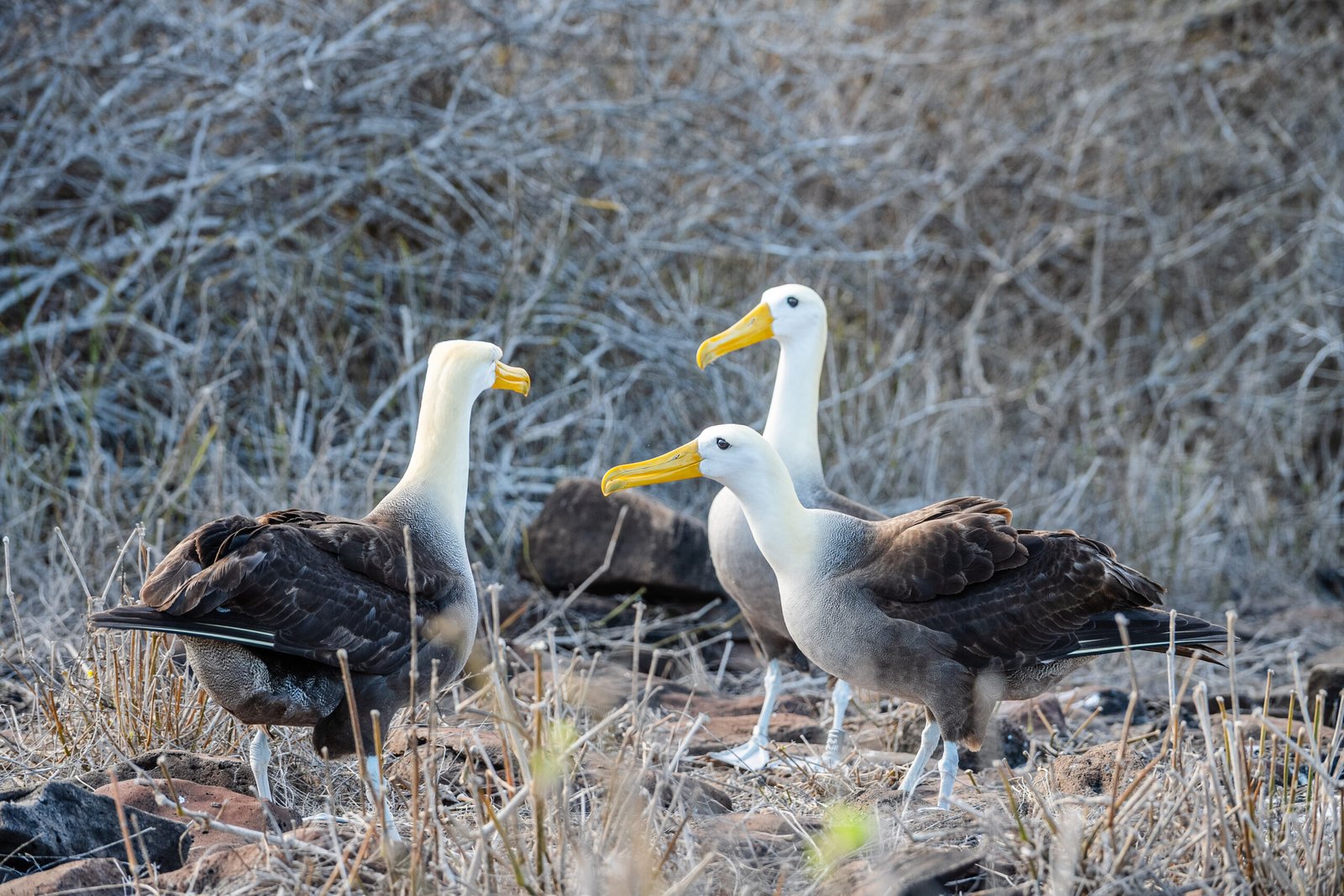
Waved Albatross
The island hosts almost the entire global breeding population of this extraordinary bird.
They arrive each year to perform their famous courtship dance.
Blue-footed Boobies
These birds nest on the island’s rocky areas and coastal cliffs.
Nazca Boobies
One of the most common seabirds seen along Española’s coastline.
Española Marine Iguanas
These marine iguanas have a distinctive reddish coloration unique to this island.
Other wildlife includes:
Sea lions
Lava lizards
Tropicbirds
Swallow-tailed gulls
Each island in the Galapagos offers a completely unique experience and incredible wildlife encounters.
From giant tortoises and penguins to albatross and hammerhead sharks, the Galapagos Islands remain one of the most extraordinary wildlife destinations on Earth.
For travelers who want to experience the incredible biodiversity of the archipelago, visiting several islands during one trip is the best way to appreciate the full diversity of this remarkable ecosystem.