Why Galápagos Feels Like a Movie Set — And How Eden Brings It to Life
There’s a moment that happens almost without warning when you arrive in the Galápagos. It’s not dramatic or staged. It’s quiet. You notice how close
Home

There’s a moment that happens almost without warning when you arrive in the Galápagos. It’s not dramatic or staged. It’s quiet. You notice how close

If you’ve been reading any Galapagos blog or looking for practical Galapagos tips, you’ve probably noticed that most guides focus on activities, wildlife, or how

Planning a trip to the Galápagos Islands? In this complete travel guide, we explain everything you need to know before visiting the islands — from flights and required documents to airport procedures, entrance fees, and arrival tips. Learn step by step how to get to the Galápagos and what to expect when you arrive so your journey to this unique natural paradise is smooth and stress-free.
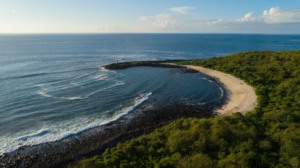
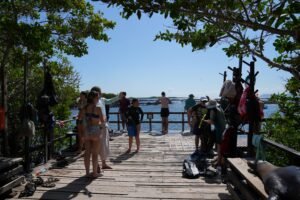
San Cristóbal is one of the easiest Galápagos islands to explore on your own. Unlike other islands, where distances are long, here many of the most memorable experiences are just a short walk from town: beaches, viewpoints, snorkeling spots, and wildlife encounters, all accessible on foot. This guide shows you how to explore San Cristóbal safely, responsibly, and without spending money on organized tours.

Isabela Island is very different from the rest of the Galapagos. Larger, quieter, and much wilder, it invites you to explore it slowly and independently. Many of its best experiences do not require organized tours: you can walk through lava fields, discover hidden beaches, observe wildlife up close, and swim in natural pools simply by following the island’s trails. This guide will help you understand what you can safely do on your own and how to enjoy Isabela responsibly, respecting its unique ecosystem.

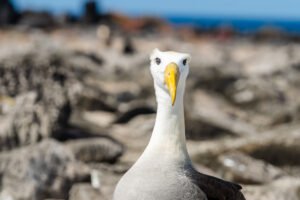
Learn everything about the Waved Albatross of Galápagos, from their scientific characteristics and migration routes to their remarkable courtship dance and breeding season. Discover why Española Island is the best place in the world to observe these magnificent seabirds in the wild.

Isabela Island is very different from the rest of the Galapagos. Larger, quieter, and much wilder, it invites you to explore it slowly and independently. Many of its best experiences do not require organized tours: you can walk through lava fields, discover hidden beaches, observe wildlife up close, and swim in natural pools simply by following the island’s trails. This guide will help you understand what you can safely do on your own and how to enjoy Isabela responsibly, respecting its unique ecosystem.

Getting around the Galápagos Islands is not as simple as booking a boat and going — transportation here follows fixed schedules, limited availability and unique logistics. Choosing the right routes can save you days of travel and give you more time in nature instead of in transit. This guide explains how to travel between San Cristóbal, Santa Cruz and Isabela, the differences between ferries and flights, and smart tips to plan your trip efficiently.

Planning a trip to the Galápagos isn’t only about choosing islands and tours — it’s about understanding how the destination really works: cash payments, limited availability, inter-island logistics, and advance reservations.
In this practical guide, you’ll discover the most common mistakes travelers make and how to avoid them so you can save time, manage your budget better, and enjoy your experience from day one.

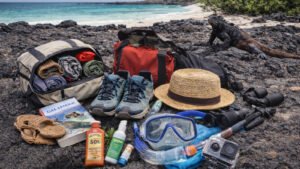
Packing for the Galápagos is very different from packing for a typical beach vacation. Your days will move constantly between boats, volcanic trails, ocean swims, and changing weather conditions, often all within a few hours. Because activities here are active and nature-focused, what you bring can greatly affect how comfortable and enjoyable your trip feels. This guide helps you pack smart, avoid common mistakes, and arrive prepared for the real conditions you’ll experience in the islands.