

There’s a moment that happens almost without warning when you arrive in the Galápagos. It’s not dramatic or staged. It’s quiet. You notice how close everything feels—how wildlife doesn’t move away, how the landscapes look untouched, how nothing seems arranged for visitors, and yet everything feels perfectly placed, almost like one of those Galapagos filming locations that seem unreal until you’re actually standing in them.
That’s when it hits you: this place doesn’t need to be adapted to look extraordinary. It already is.
It’s also the reason why productions like Eden end up here. Not because Galápagos is trending or exotic, but because it offers something filmmakers are constantly searching for—environments that don’t need to be built, enhanced, or corrected. What you see is already complete.
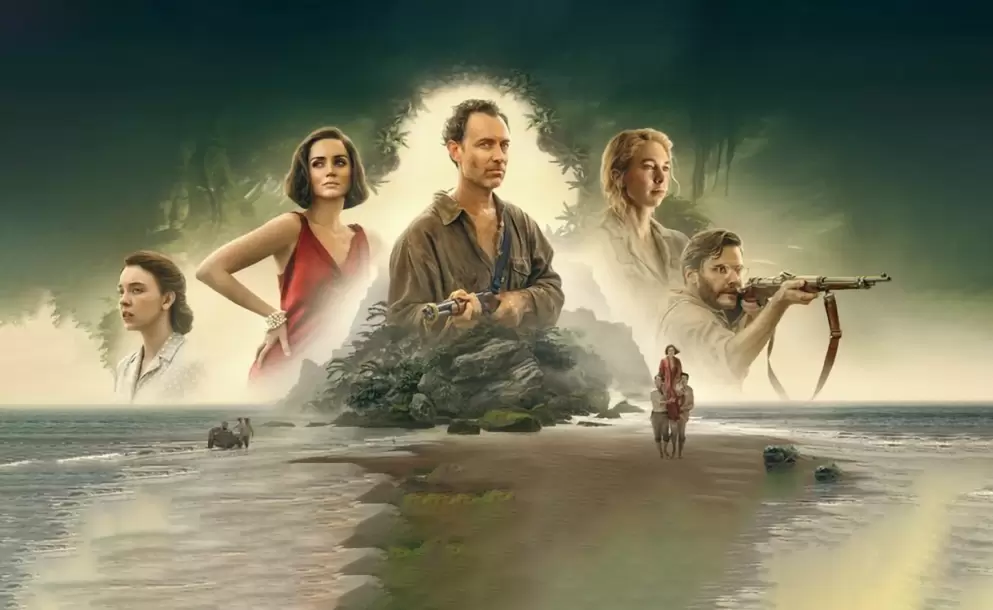
Filming in Galápagos isn’t about controlling the environment. It’s about working with it. The volcanic terrain, the open coastline, and the constant presence of wildlife create scenes that feel alive even before a camera is turned on.
For a film like Eden, the setting becomes part of the story itself. There’s a sense of isolation, but also a strong contrast between land and ocean that gives every frame depth without needing artificial elements.
This is also what makes the islands feel so different when you visit. You’re not stepping into something that was designed for tourism. You’re entering a place that continues to exist on its own terms, which is why understanding how to move through it—whether you’re building your own route or following a structured Galapagos itinerary—makes such a difference.
When you see a place like this on screen, it’s easy to assume it belongs to cinema. That those moments are curated, edited, and somehow out of reach.
But Galápagos doesn’t work that way.
The same beaches, cliffs, and waters used in productions are the ones you move through as a traveler. The difference isn’t access—it’s perspective. A filmmaker waits for the right moment. You get to be inside it.
You walk along the shore and sea lions barely react to your presence. You enter the water and suddenly you’re part of an environment that feels completely different from anything you’ve experienced before, especially in areas known for snorkeling Galapagos. Within a short distance, the landscape shifts from volcanic rock to clear, calm water, creating that same visual contrast you’d expect to see in a film.
It’s around this point that most people start to rethink what they originally searched for. What begins as a list of things to do in Galapagos turns into something more intentional, where choosing between options—and understanding how they connect—becomes part of the experience.
San Cristóbal has a way of bringing everything into focus. It’s not the biggest island, but it’s one of the easiest places to understand how the Galápagos actually works.
Nothing feels far, but nothing feels simplified either.
You can start the day in complete silence at the beach, move into the water for a snorkeling session, and finish the afternoon watching the light change over the coastline. The transitions feel natural, not forced, which is why many travelers end up structuring their entire trip around islands like this.
If you’ve been looking into a san cristobal travel guide or exploring things to do in San Cristobal Galapagos, this is where most of those ideas come to life. It’s also one of the best places to observe wildlife in a way that feels completely unfiltered, especially during seasons when species like the albatros Galapagos become part of the landscape.